Trees, wildlife and biodiversity have become an increasingly important part of CPUG’s work over the years.
Our involvement has ranged from raising concerns about tree care and planting to organising biodiversity surveys, walks and practical conservation activities. More recently, CPUG’s Nature Recovery work has brought volunteers together around habitat projects, planting and other ways of supporting the park’s natural environment, including the creation of a Tiny Forest in 2026.
Hackney Council remains responsible for managing Clissold Park and its natural environment, while CPUG provides opportunities for park users to raise concerns, contribute ideas and take part in practical conservation projects.
Tree care and planting
Trees feature prominently in CPUG’s earlier surviving records.
In 2004 CPUG worked with the park manager on a review of tree care in Clissold Park. The manager subsequently reported changes to planting and maintenance planning following the discussions.
Trees were also an important issue during planning for the major restoration of Clissold Park and House. CPUG raised questions about proposed changes to the landscape and the effect of the project on existing trees, while contributing to wider consultation about the park’s future.
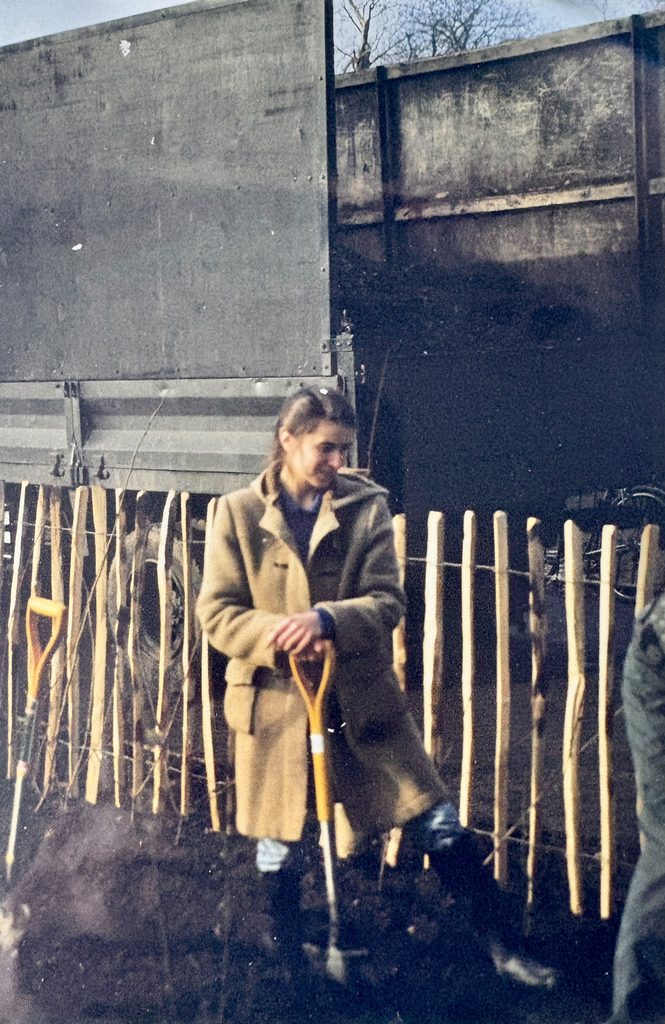
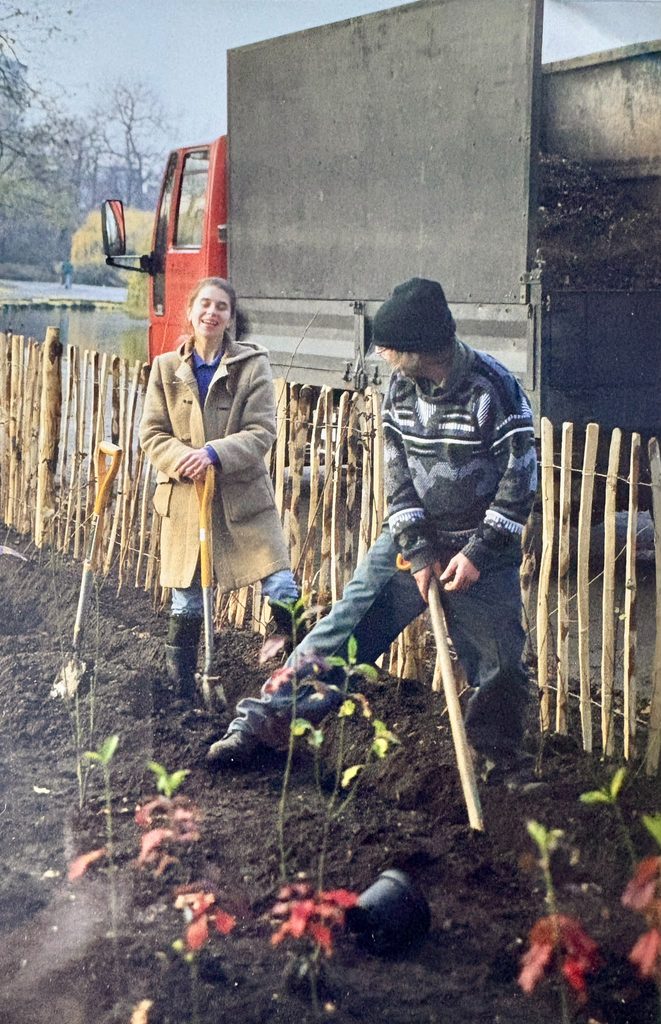
Tree management and the condition of individual trees continued to be scrutinised in later meetings.
More recently, tree planting has become connected with CPUG’s wider work on biodiversity and Nature Recovery. In March 2026, a Tiny Forest was planted in Clissold Park, with CPUG Chair Alexandra Hamit joining local residents, volunteers and pupils from Betty Layward Primary School for the planting.
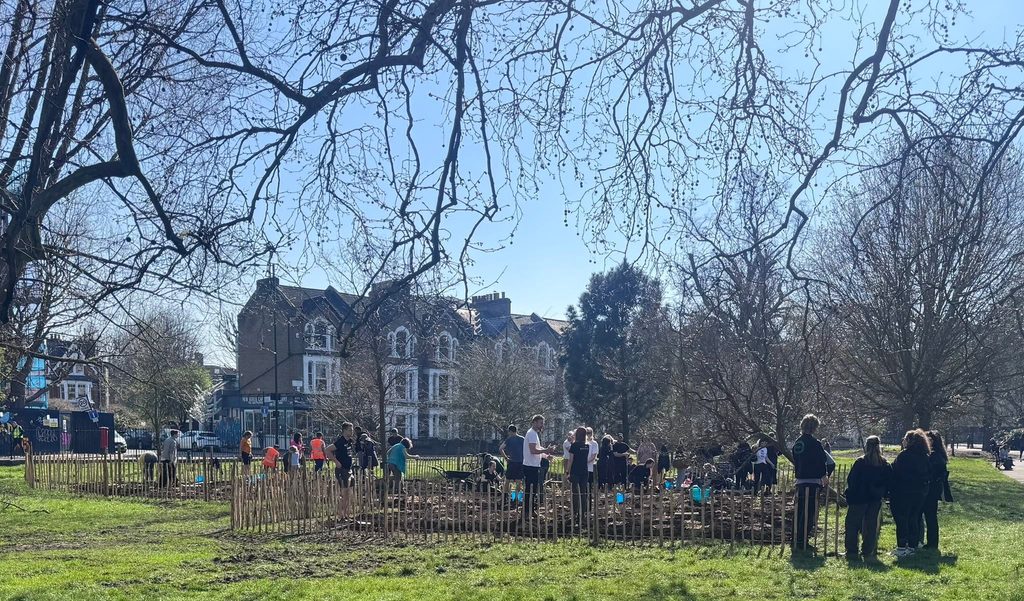
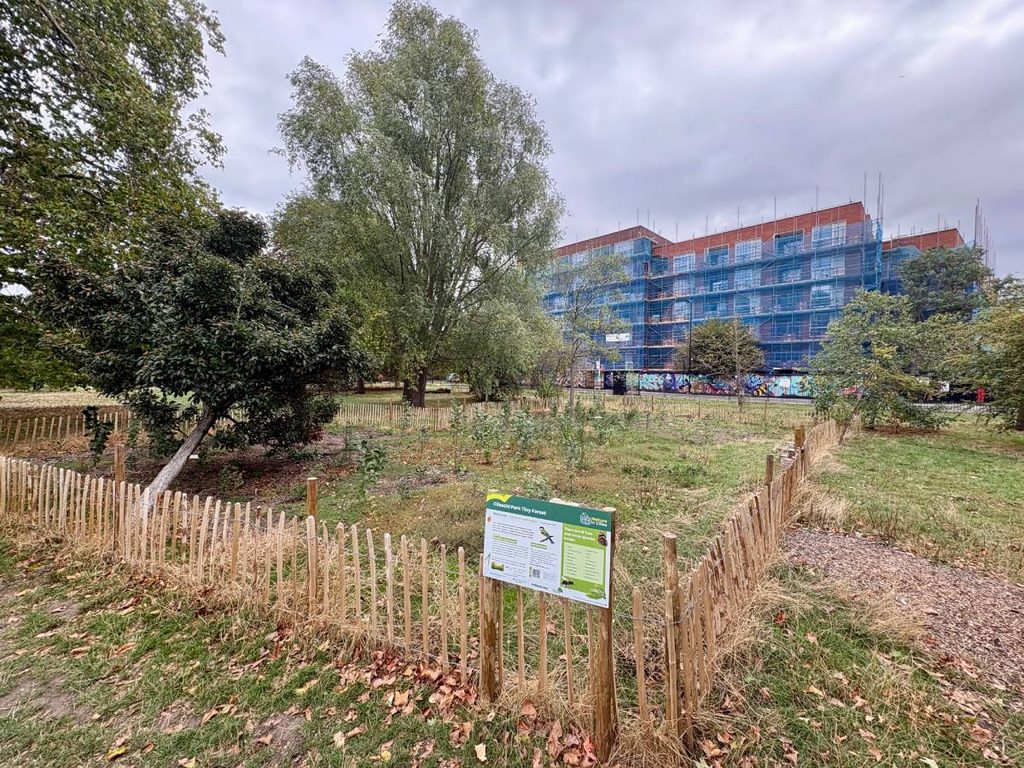
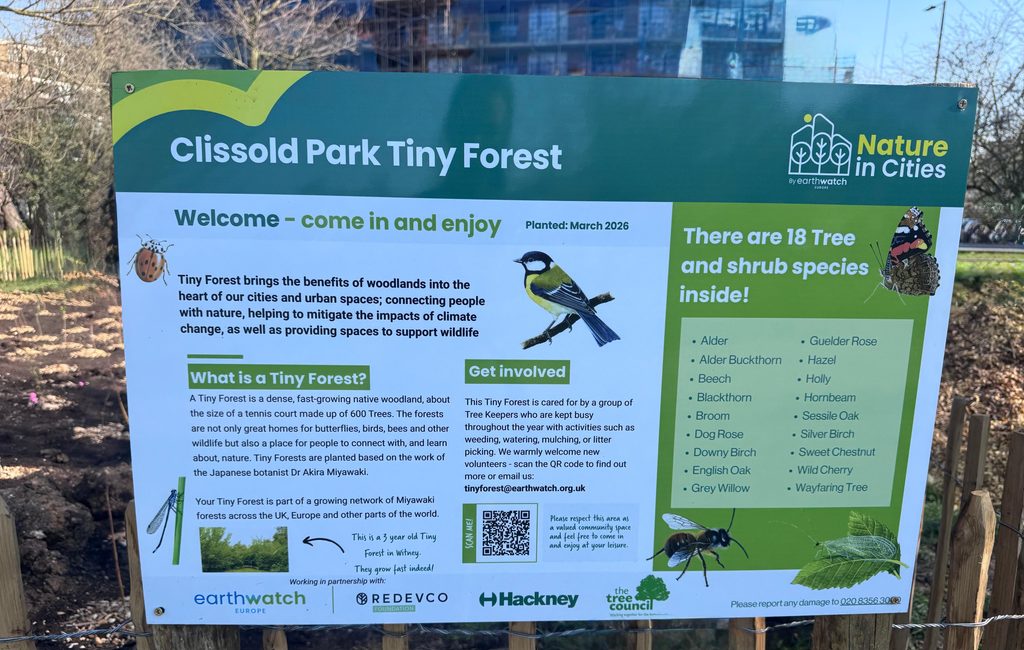
The project created a new area of densely planted young trees and forms part of the more recent emphasis on practical conservation and habitat creation in the park.
Developing our biodiversity work
By the 2010s, biodiversity was becoming a more explicit part of CPUG’s work.
In 2016 CPUG requested a discussion paper on biodiversity in Clissold Park and contributed to the resulting discussions. CPUG members also took part in practical activities, including planting around 2,000 bulbs as part of a larger planting programme that year.
This work developed considerably in the years that followed. In February 2025, CPUG published a detailed biodiversity report examining habitats across Clissold Park and opportunities to support nature recovery. The report built on the group’s increasing involvement in biodiversity, surveys and practical conservation work and provided a more substantial basis for considering how the park could support wildlife and habitats.
The report sits alongside CPUG’s Nature Recovery work and its continuing discussions with Hackney Council, which remains responsible for managing the park and its natural environment.
The Butterfly Dome
The Butterfly Dome provided another opportunity for practical volunteering.
By 2019 CPUG volunteers had taken on regular work caring for the dome and its planting. The project continued into 2020, although activity was disrupted by the Covid-19 pandemic.
The Butterfly Dome formed part of a growing strand of CPUG activity in which volunteers could contribute directly to particular areas of the park as well as discuss environmental issues at public meetings.
Surveys, walks and the Dipping Pond
Following the resumption of public meetings after the pandemic, CPUG’s biodiversity work continued to develop.
In 2021 CPUG’s biodiversity representative organised a local wildlife survey and exhibition.
During 2023 the group organised guided tree and ecology walks and surveyed the Dipping Pond. A Bioblitz brought people together to observe and record the wildlife found there.
These activities combined opportunities to learn about the park with the collection and sharing of information about its natural environment.
Nature Recovery
Nature Recovery became a significant focus of CPUG’s environmental work during 2024.
A dedicated Nature Recovery meeting in February brought together people interested in biodiversity and practical conservation in the park. The discussions led to a volunteer group and further activities.
During the year CPUG funded lavender planting and nesting boxes, hosted bat walks and supported practical work including a clean-up. Nature Recovery was also discussed at subsequent public meetings as ideas for improving habitats and involving volunteers developed.
The aim of this work is to support the park’s natural environment, but measuring changes in biodiversity requires consistent monitoring over time. The activities themselves, such as planting, surveys and installing nesting boxes, are therefore a clearer measure of CPUG’s contribution than attributing changes in wildlife populations directly to them.
Practical habitat projects
Nature Recovery work continued during 2025.
Activities included renewed litter picks, walks and work to create dead hedges using branches and other woody material. CPUG also funded wildlife ramps intended to help animals get out of the park’s water bodies.
CPUG also responded to Hackney Council’s Nature Recovery Strategy consultation during 2025, providing another route for the group to contribute park users’ views to wider plans for biodiversity.
The wildlife ramps also illustrate the need to monitor projects after installation. At a November meeting, one was reported to be positioned at an ineffective angle and requiring attention.
A continuing part of our work
From discussions about tree care in the early 2000s to surveys, planting, habitat projects and Nature Recovery today, the natural environment has become an increasingly substantial part of CPUG’s work.
Our involvement takes different forms. We raise issues about the management of trees and planting, contribute to consultations, organise walks and surveys, bring volunteers together and use CPUG funds for smaller projects such as hedging, nesting boxes, planting and wildlife ramps.
This work continues alongside Hackney Council’s responsibility for managing and maintaining Clissold Park’s natural environment.