Clissold Park is full of stories about the people who have used it, the things that have happened here and the ways the park has changed over time.
As part of our work to share the park’s heritage, we collect and research some of these stories. They may come from historical research by our Park History Representative, material shared with CPUG by local people, or discoveries in photographs, newspapers and archives.
We share some of them here to bring different parts of Clissold Park’s past to life.
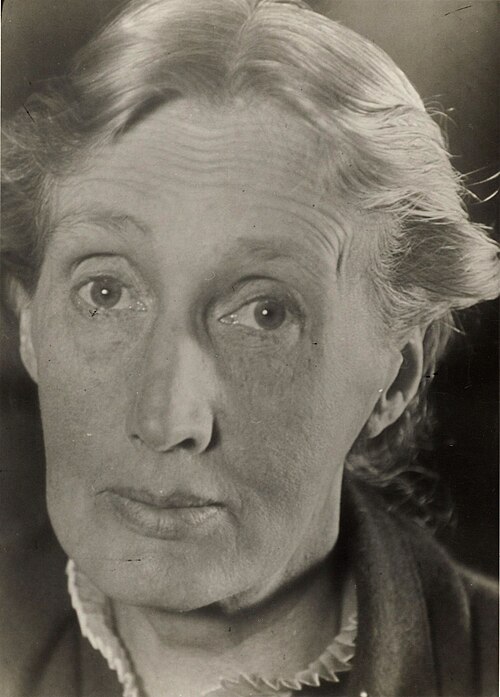
Virginia Woolf visits Clissold Park
In July 1937, writer Virginia Woolf made a trip to Stoke Newington that ended with a visit to Clissold Park.
Woolf came to the area because of her family connection to James Stephen (1758–1832), her great-grandfather. Stephen was a lawyer, MP and prominent campaigner against the slave trade who worked closely with William Wilberforce. He lived at the Summerhouse, a large house near what is now Summerhouse Road, close to Clissold Park.
Stephen was buried in the churchyard of St Mary’s Old Church on Stoke Newington Church Street. Woolf visited the churchyard to see the family tomb and then continued into neighbouring Clissold Park.
Her visit provides a glimpse of the park in the years before the Second World War, but it is particularly notable for what Woolf recorded about the people she encountered there.
Writing in her diary, she described the park as smelling of:
“Clissold Park mothers; & cakes & tea; the smell – unpleasant to the nose – of democracy”
The comment reflects Woolf’s complicated attitudes towards class. Clissold Park had been secured as a public open space less than 50 years earlier, and Woolf’s reaction to the families using it became part of her account of the visit.
She also stopped to look at the deer and recorded hearing that there might even be a kangaroo in the park.
There was another family connection nearby. Clissold House had been built in the late eighteenth century for Jonathan Hoare, whose family were neighbours of the Stephens. It was not, however, the Stephen family home: James Stephen lived at the Summerhouse nearby.
More than 80 years later, it is still possible to follow part of Woolf’s route. James Stephen’s tomb survives in the churchyard of St Mary’s Old Church, immediately beside Clissold Park.
Historian Alison Light recounts Woolf’s visit and quotes from her diary in Mrs Woolf & the Servants (Penguin Books, 2008, pp. 254–255).
We are grateful to historian Bill Schwarz for bringing this passage to our attention.
Do you have a Clissold Park story?
The history of the park also survives in people’s photographs, memories and family stories.
If you have historical photographs, memories or information about Clissold Park that you think we should know about, we’d be pleased to hear from you.